Welcome to WordPress. This is your first post. Edit or delete it, then start writing!
Blog
-

Almost a year ago we gathered together….
air jordan 11 space jam size 6.5space jam 11s size 8how to restore space jam 11show much do space jam 11s costspace jam 11s flight club pricejordan 11 space jam for sale philippinesair jordan 11 space jam cheapspace jam 11s retail pricespace jam 11 price checkspace jam 11s size 8where to buy jordan 11 space jamhow to draw space jam 11sspace jam 11s december 2016jordan 11 space jam size 12Adidas Yeezy Boost 350 V2 BlackYeezy Boost 350 V2 Black For SaleYeezy Boost 350 V2 BlackYeezy Boost 350 V2 Black RedAdidas Yeezy Boost 350 V2 BlackAdidas Yeezy Boost 350 V2 Black For SaleYeezy Boost 350 V2 Black For Sale -
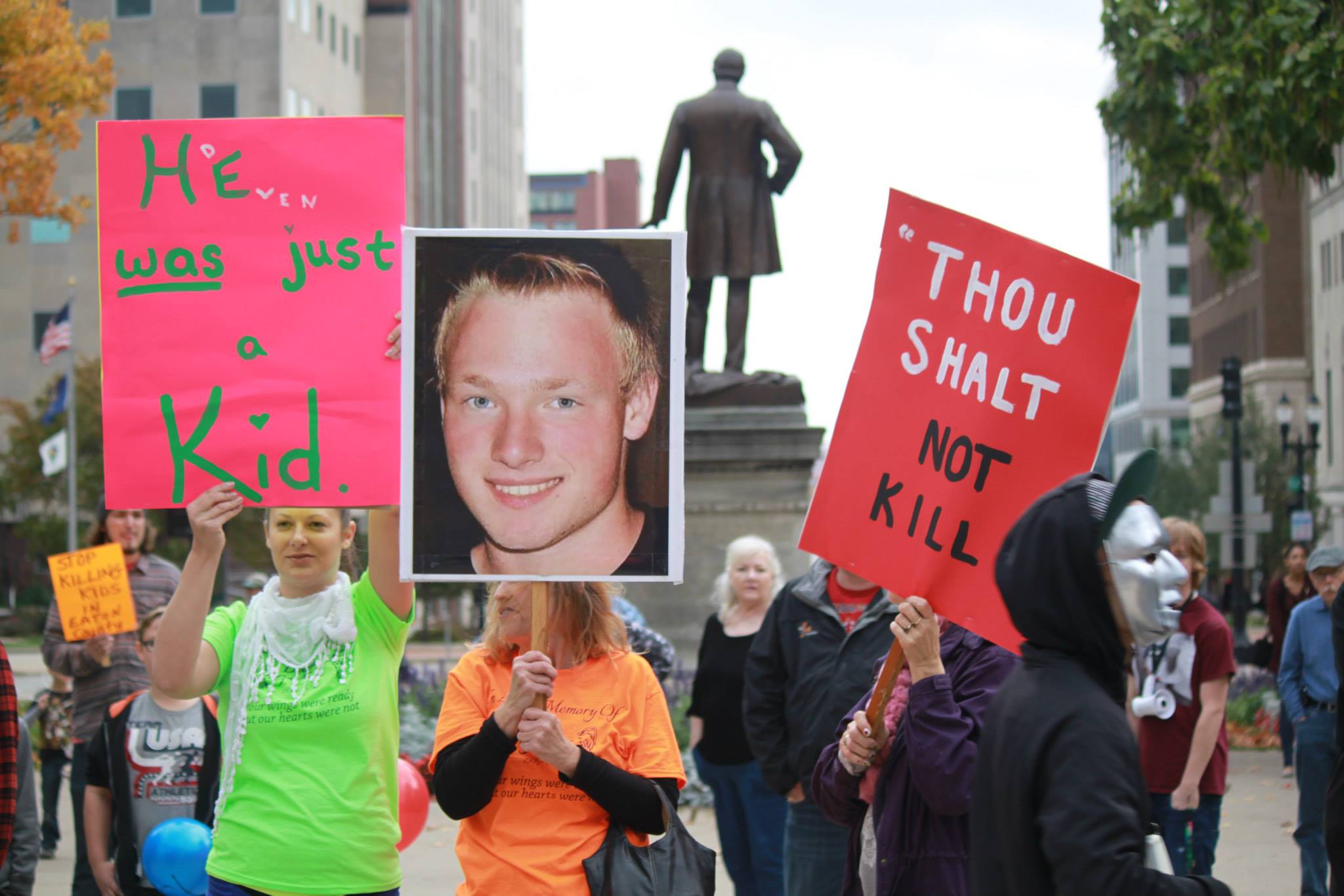
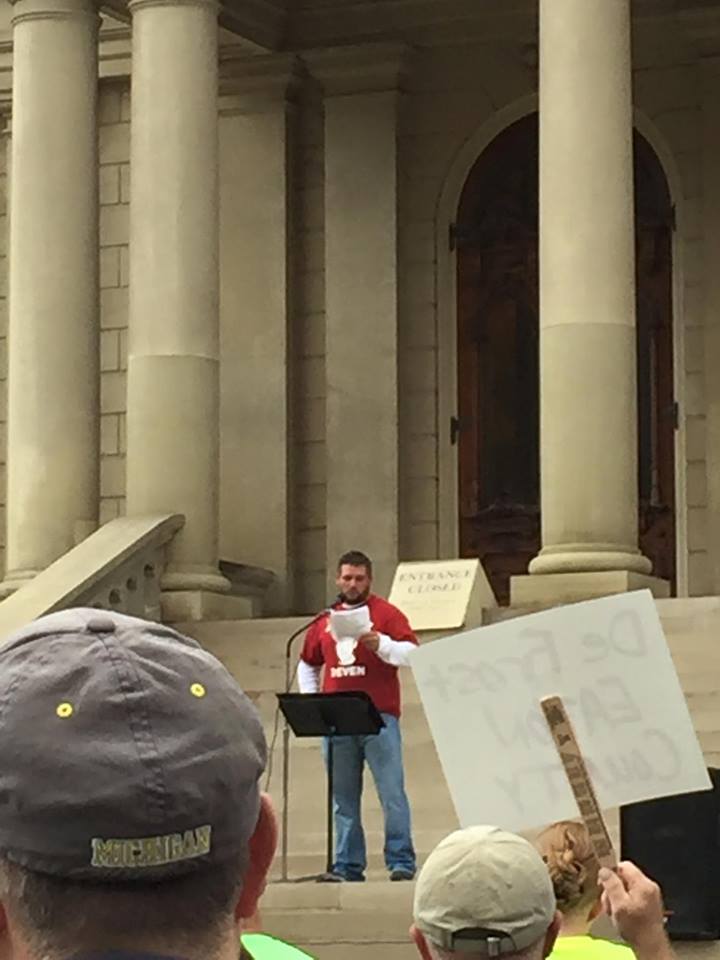
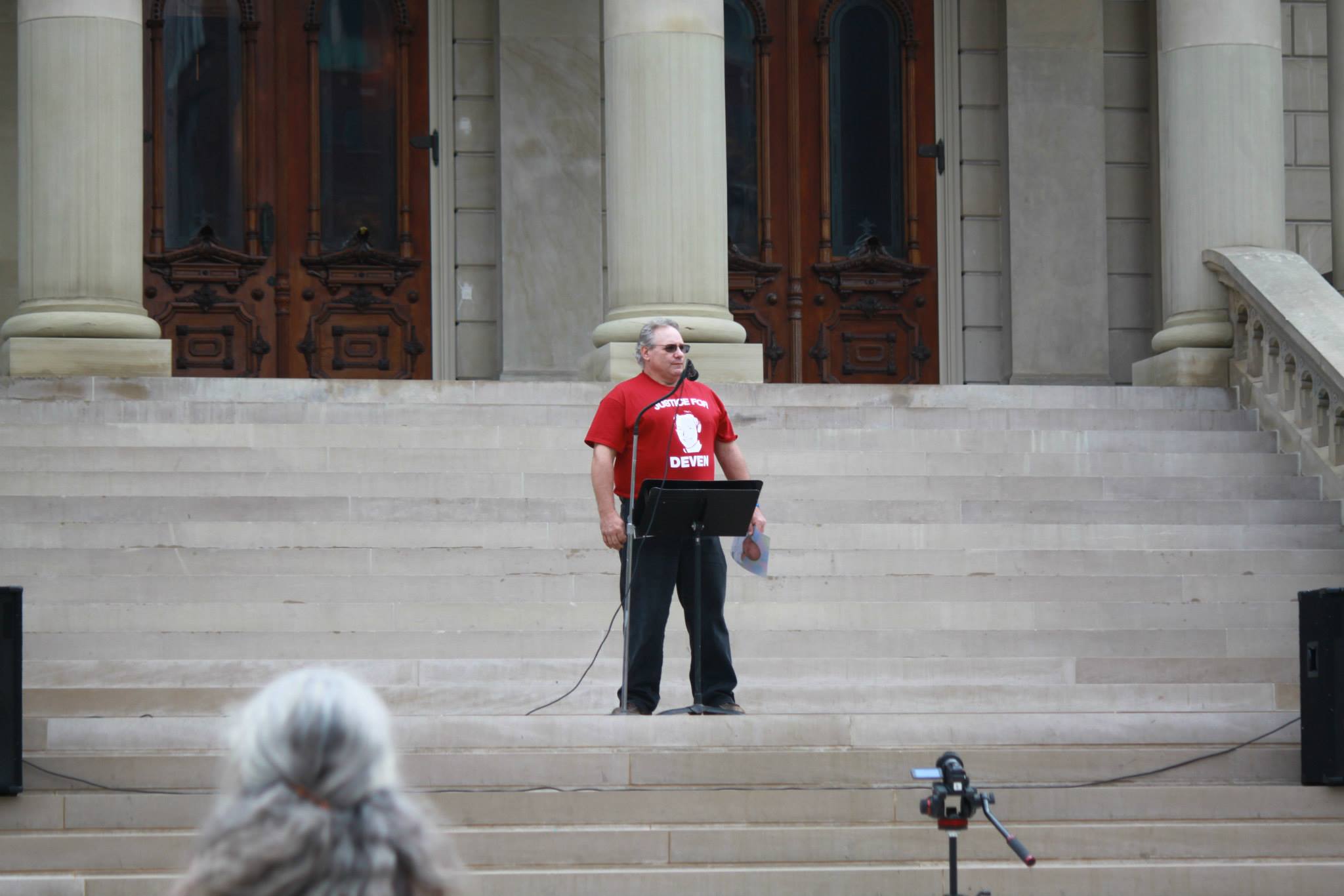
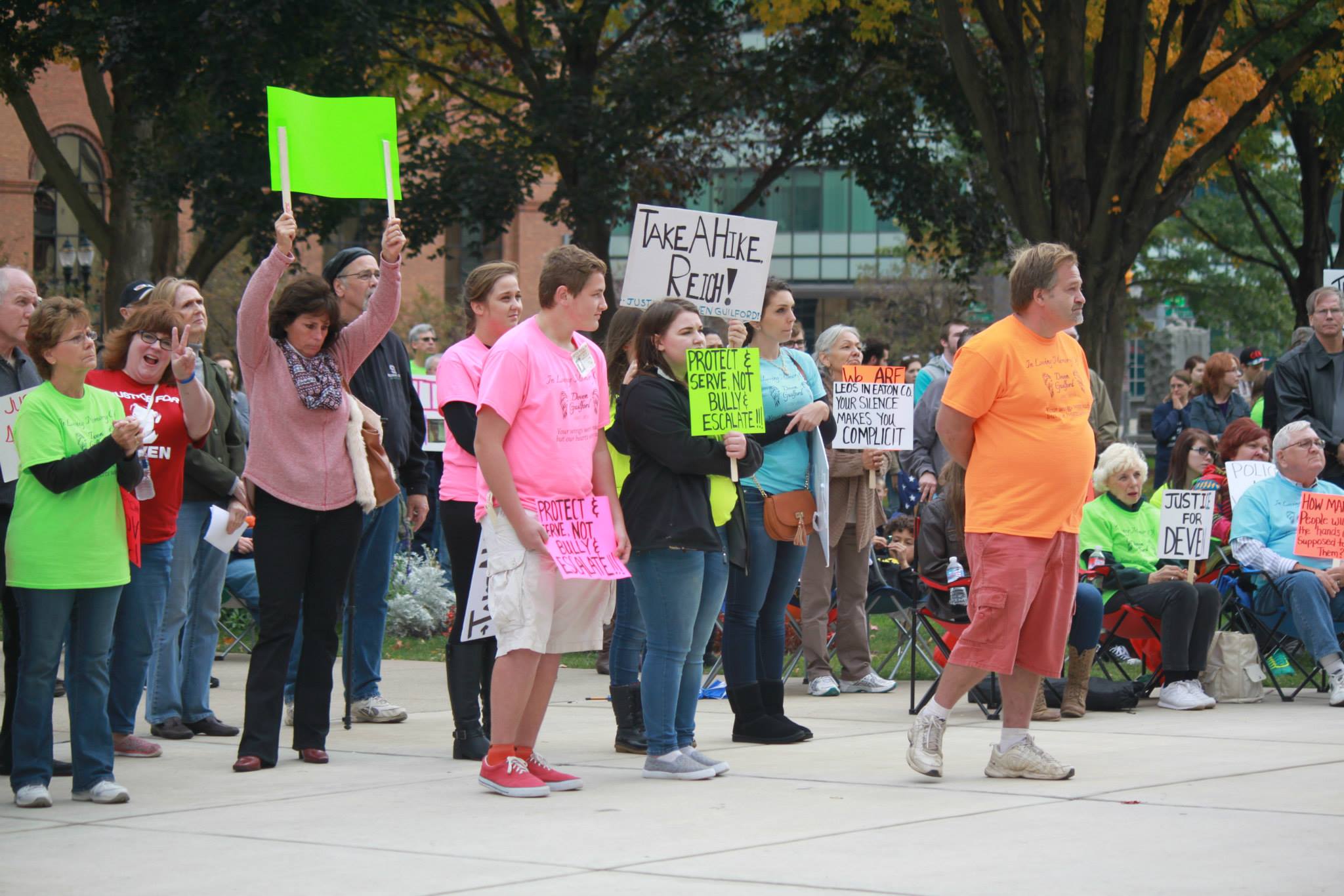
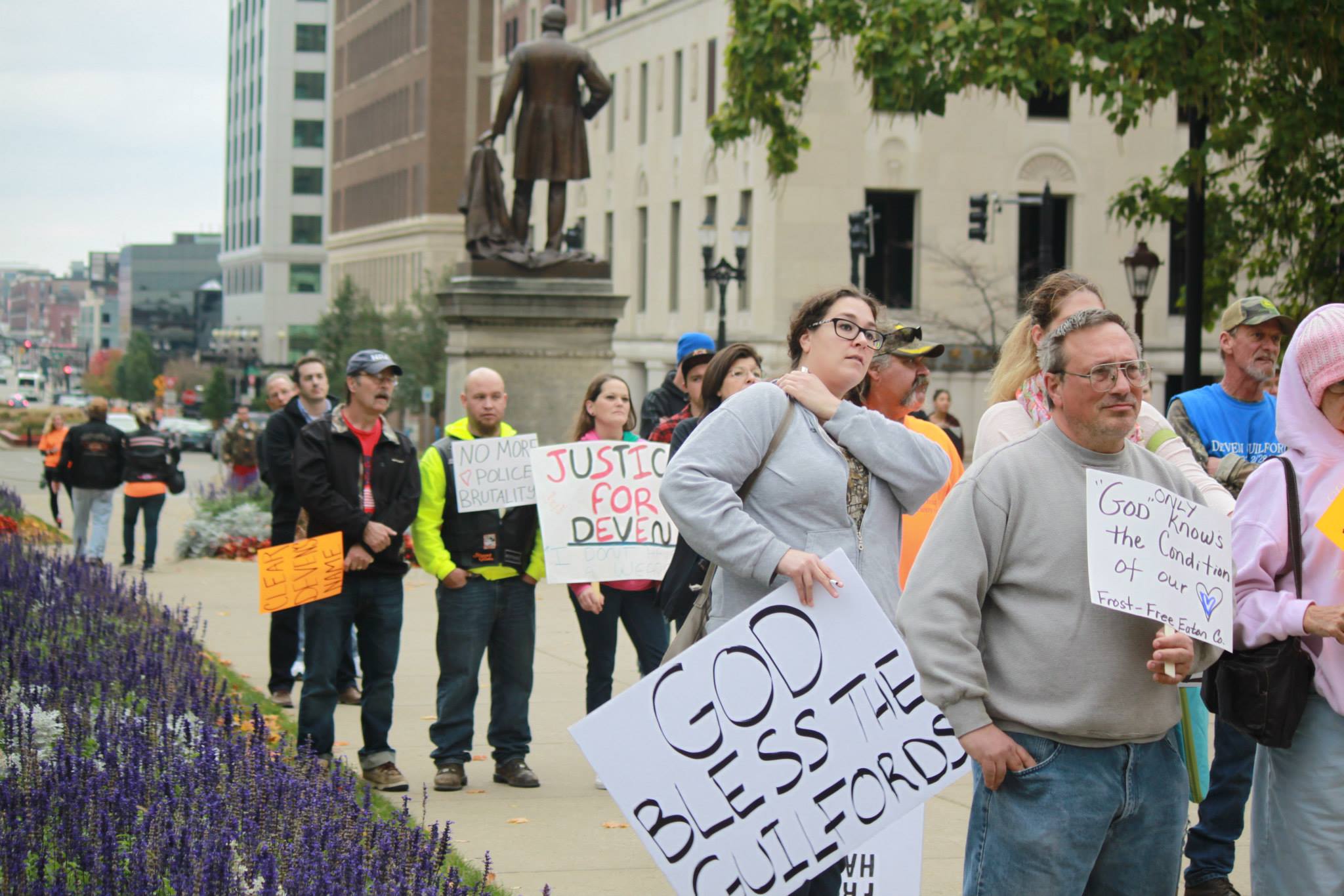
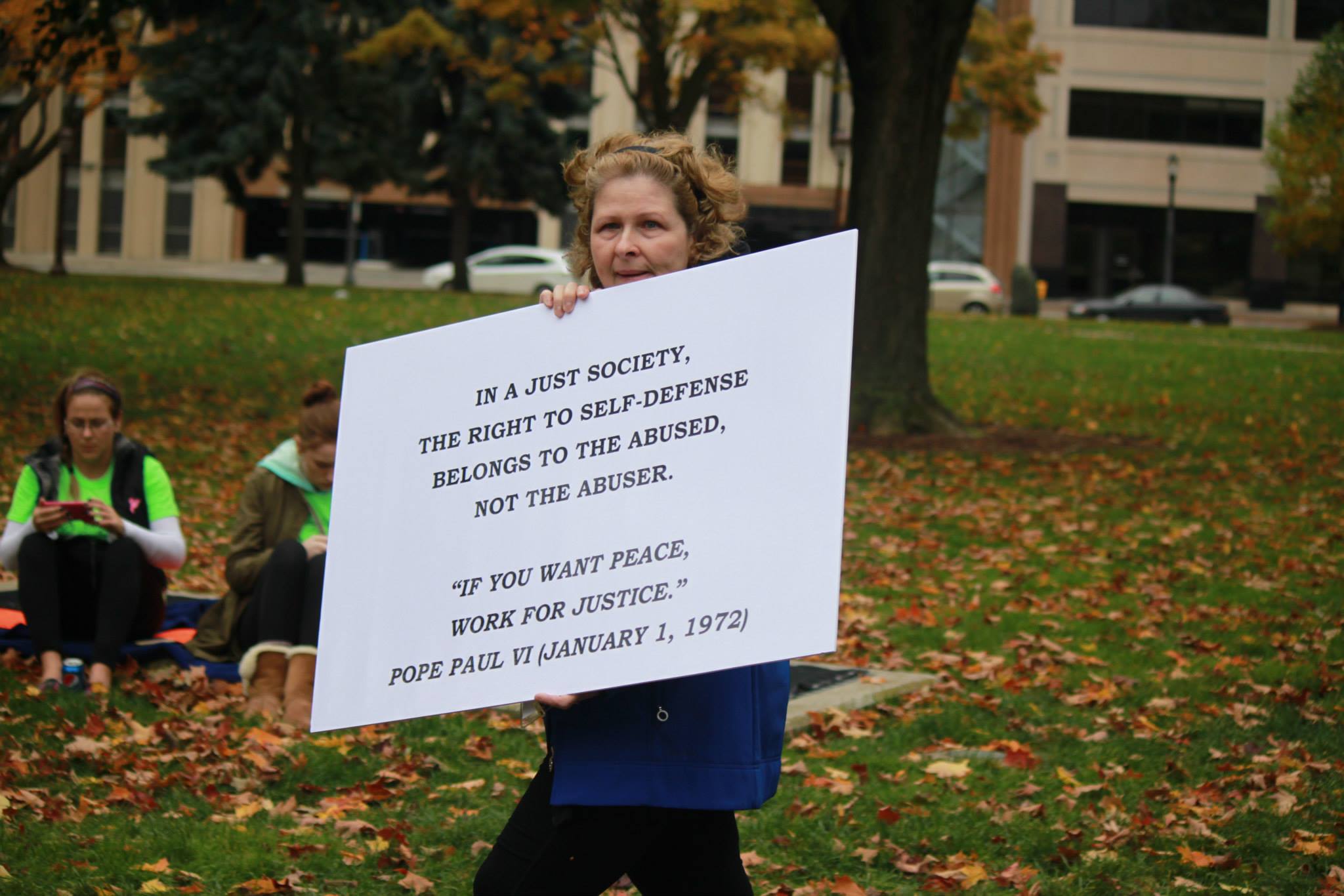
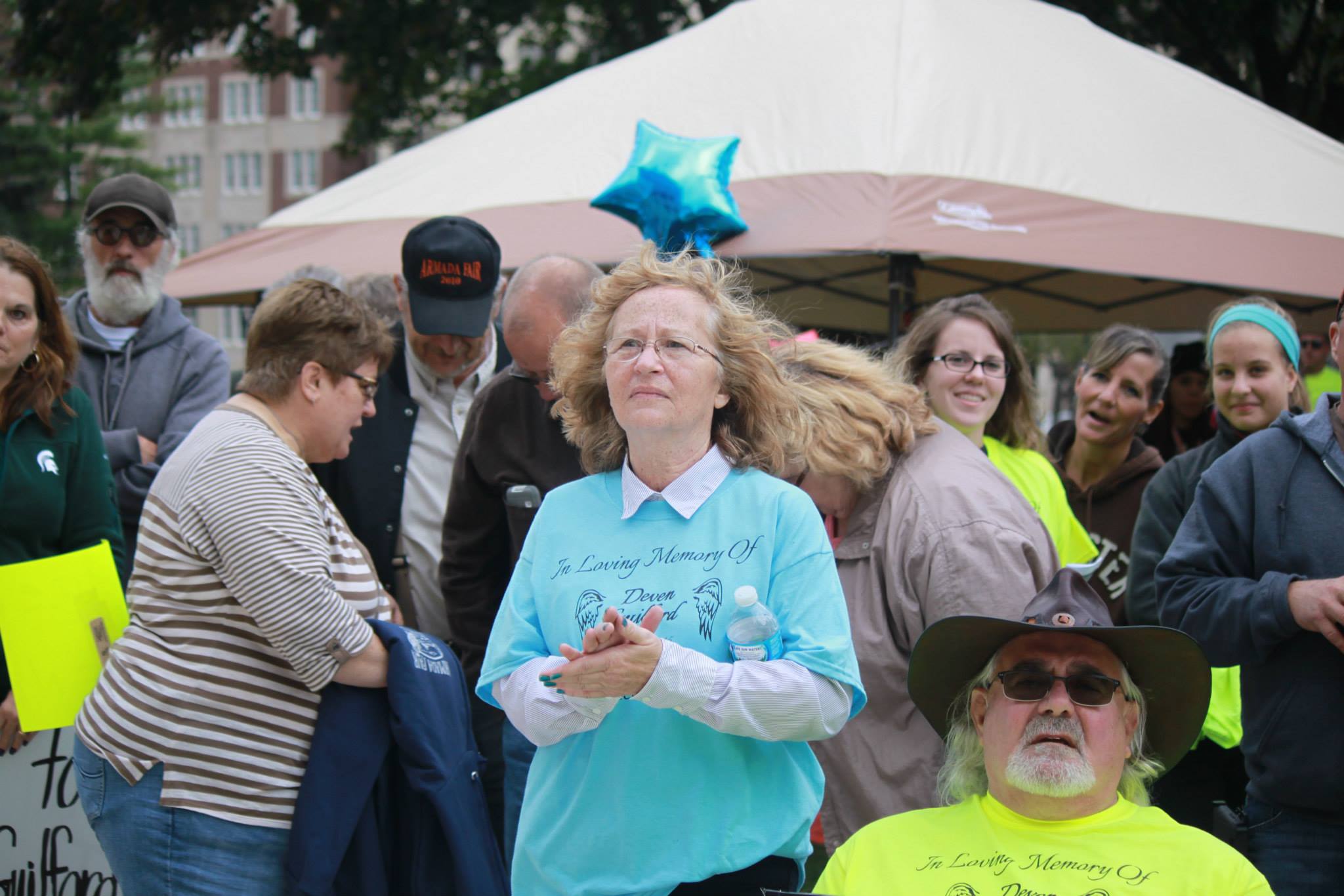
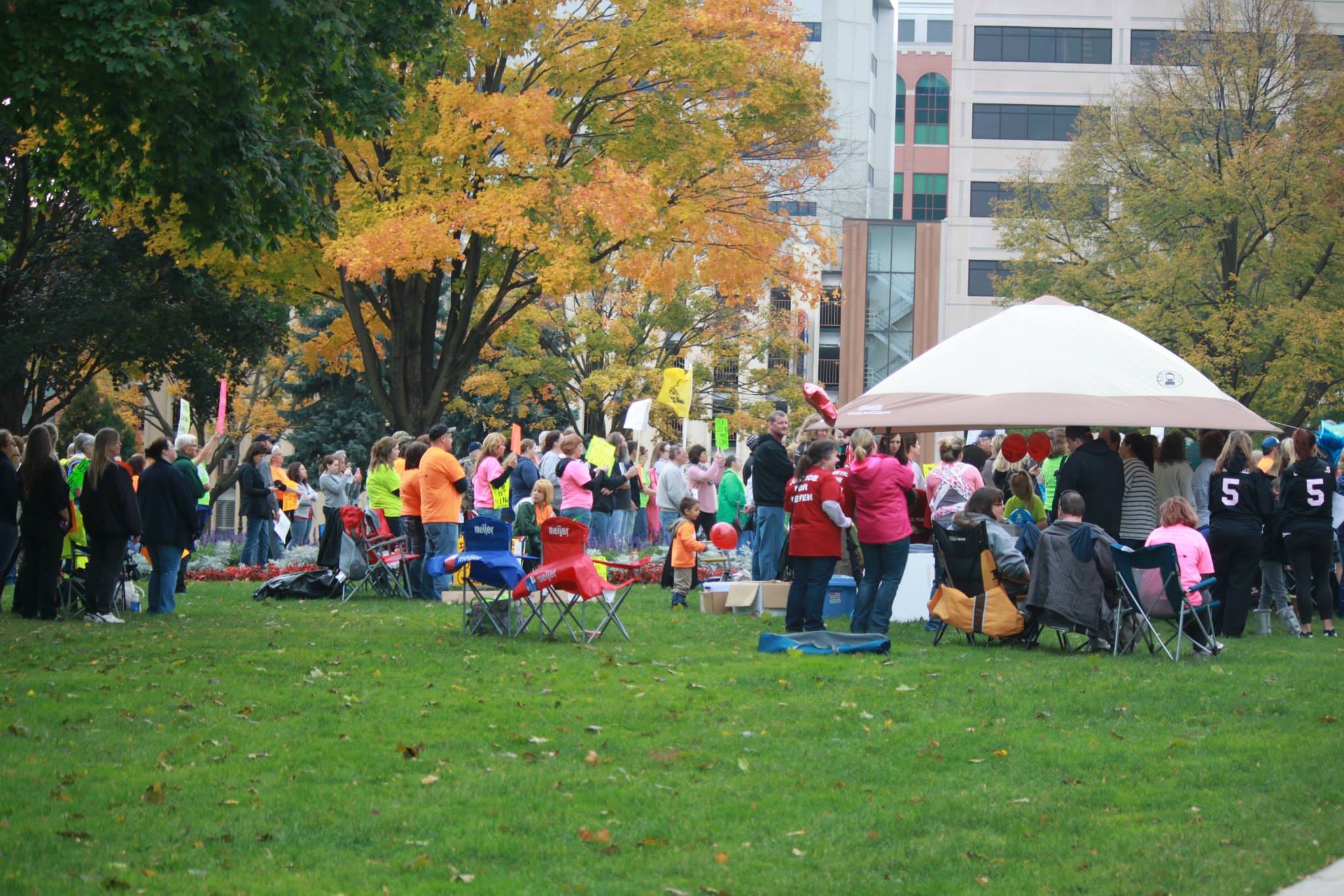
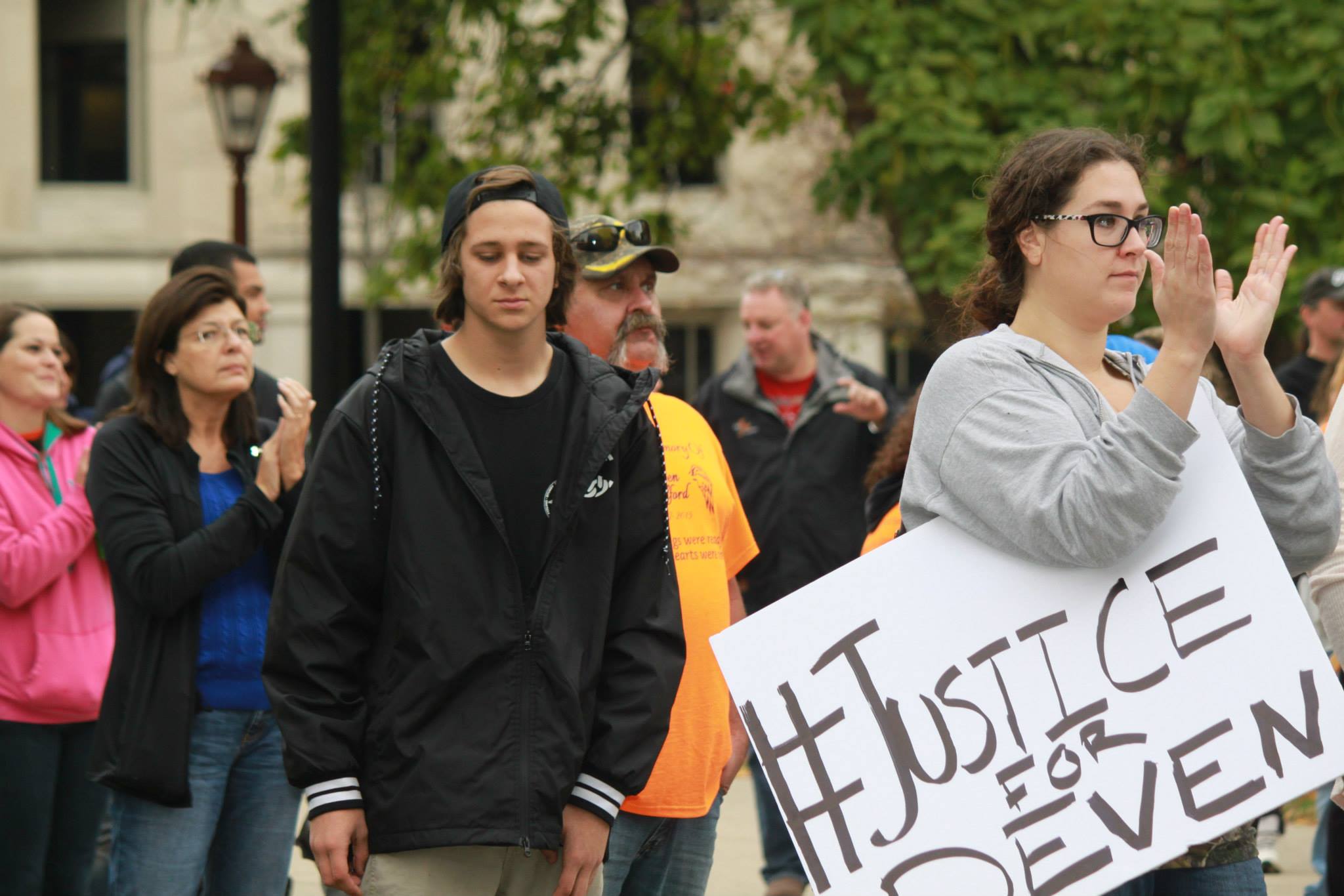
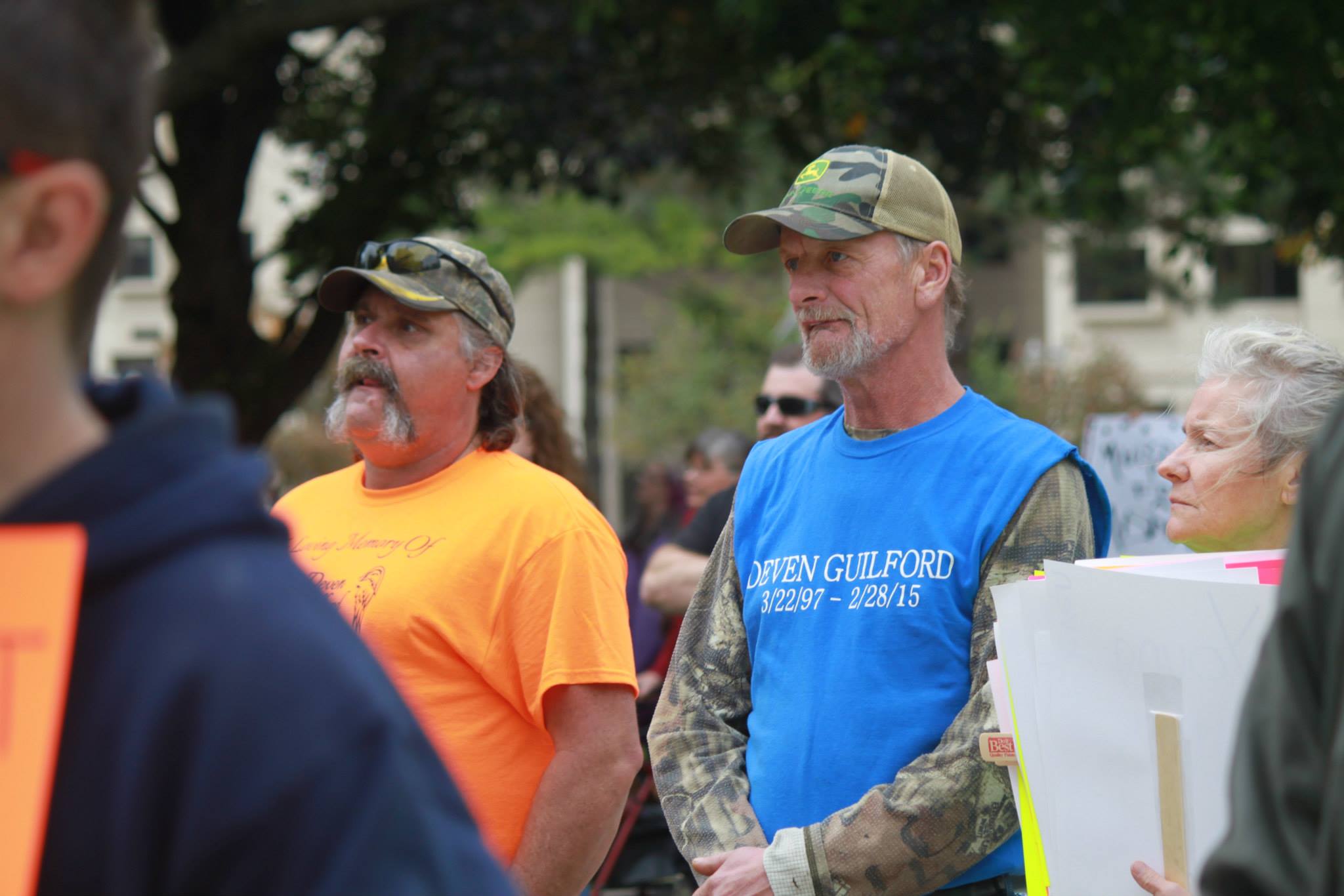
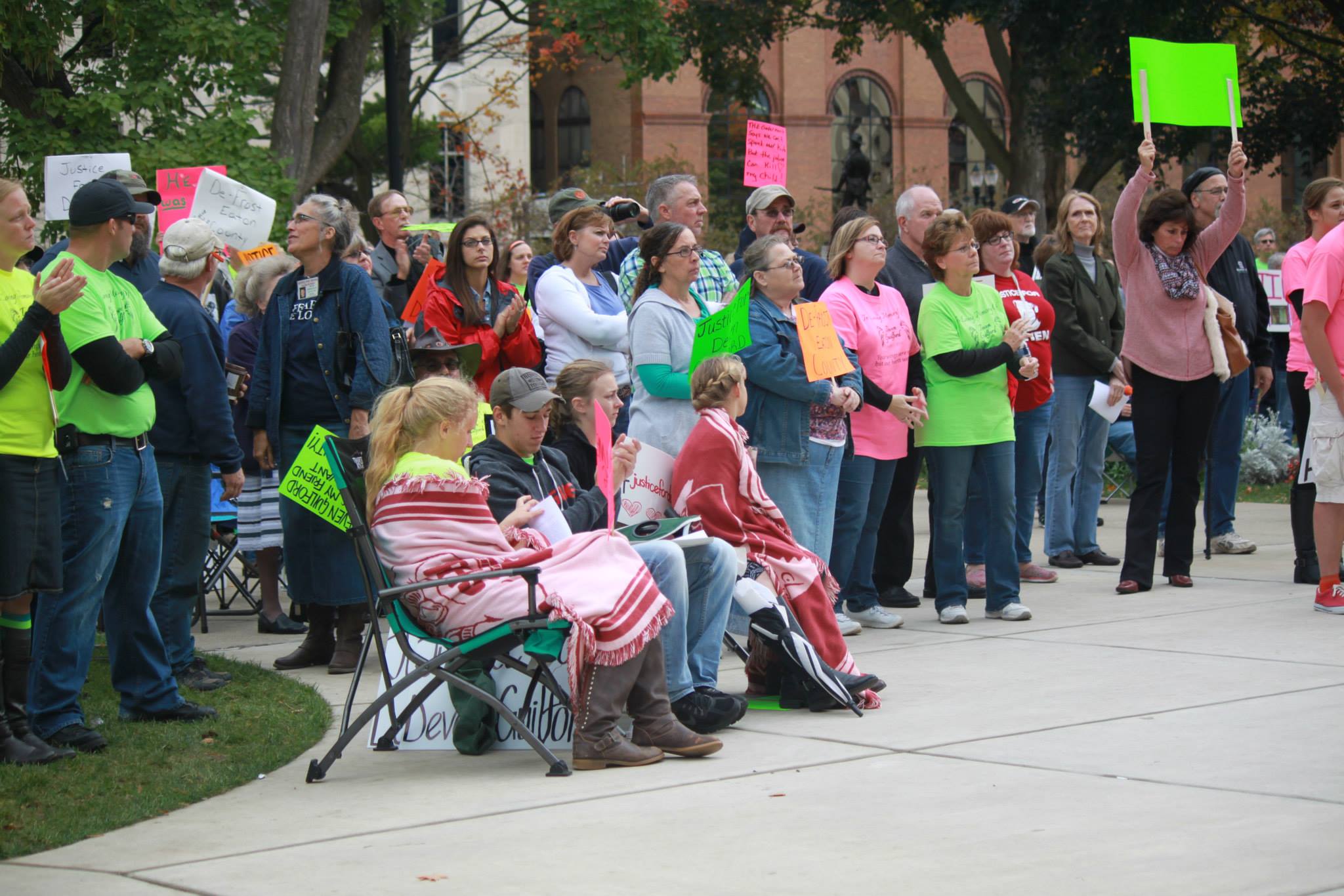
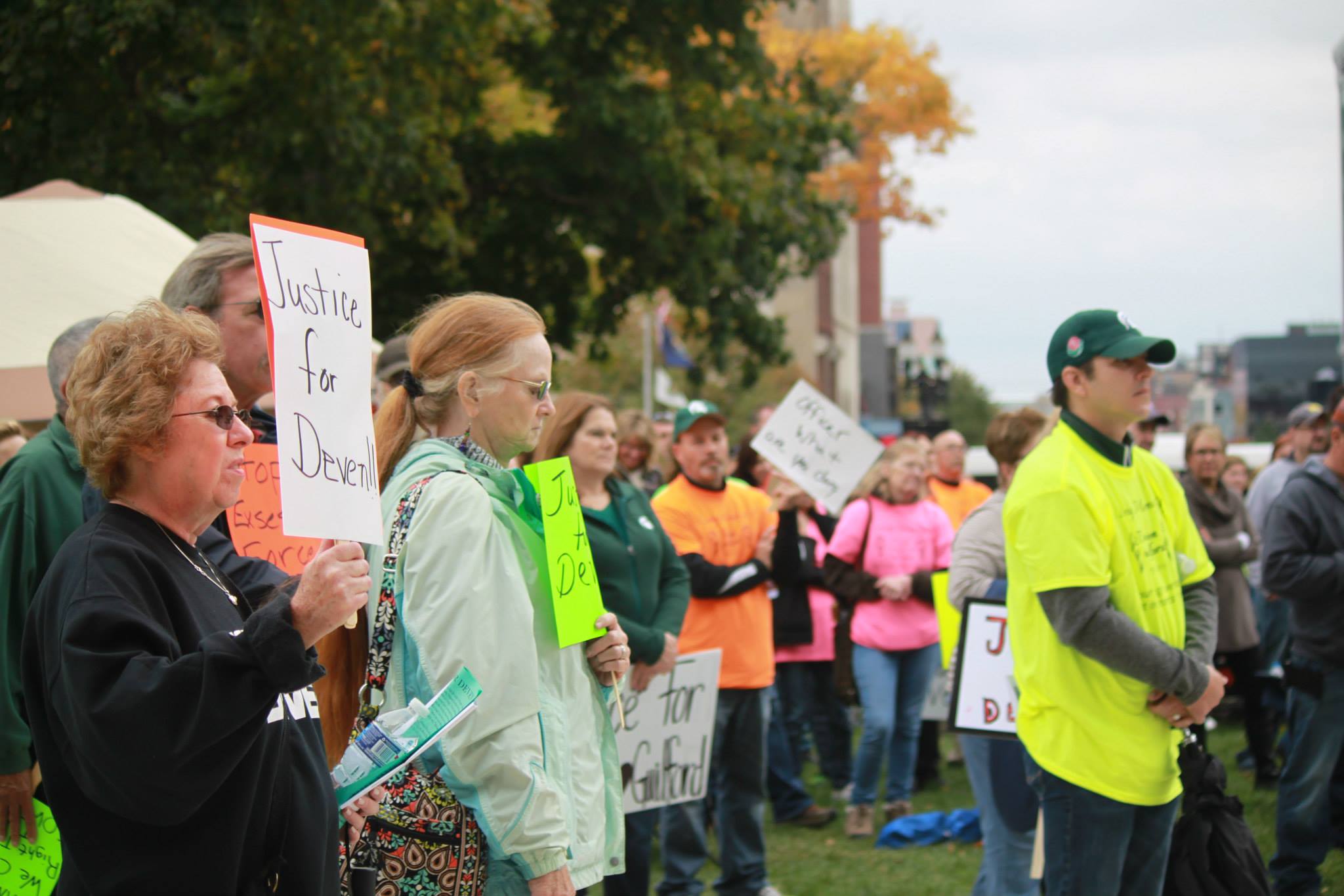
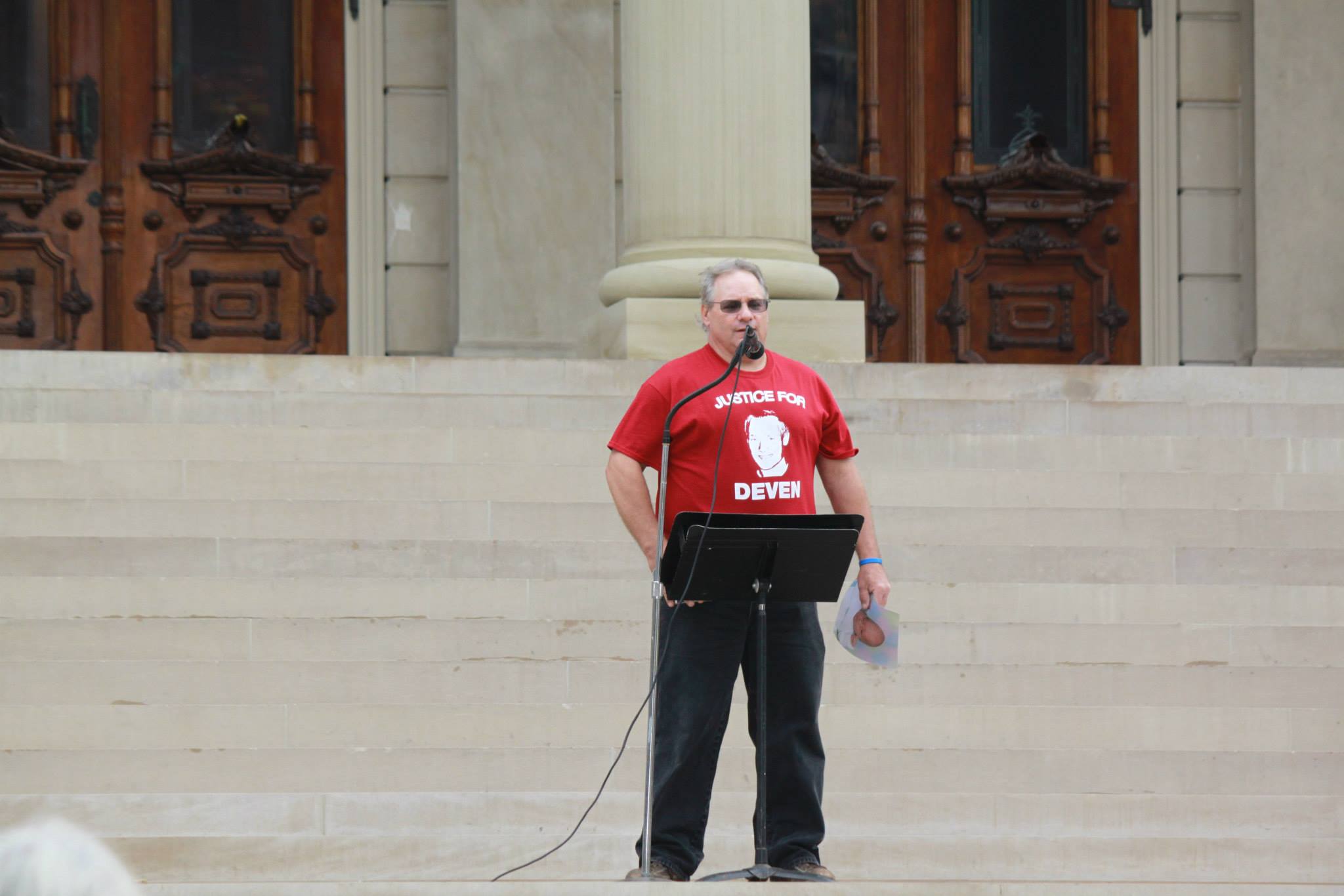
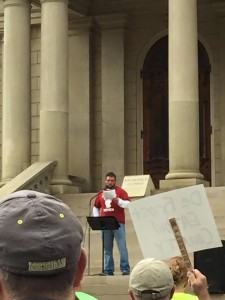
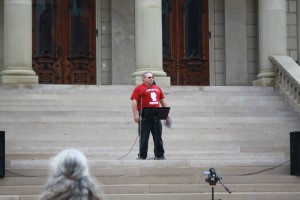
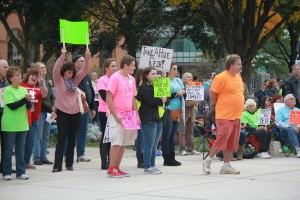
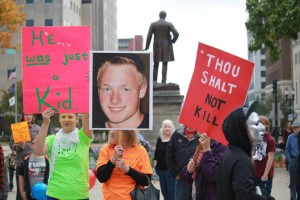
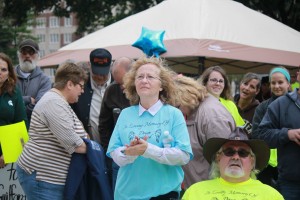
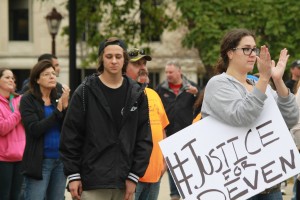
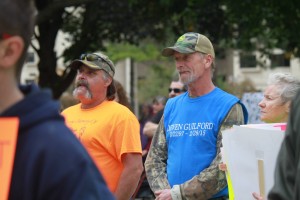
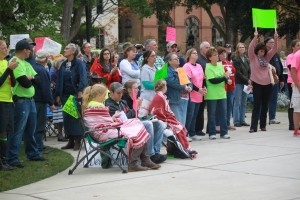
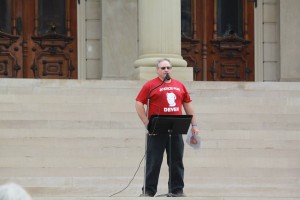
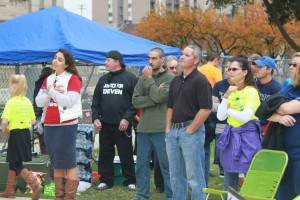
Deven Guilford Rally at the Capital Video
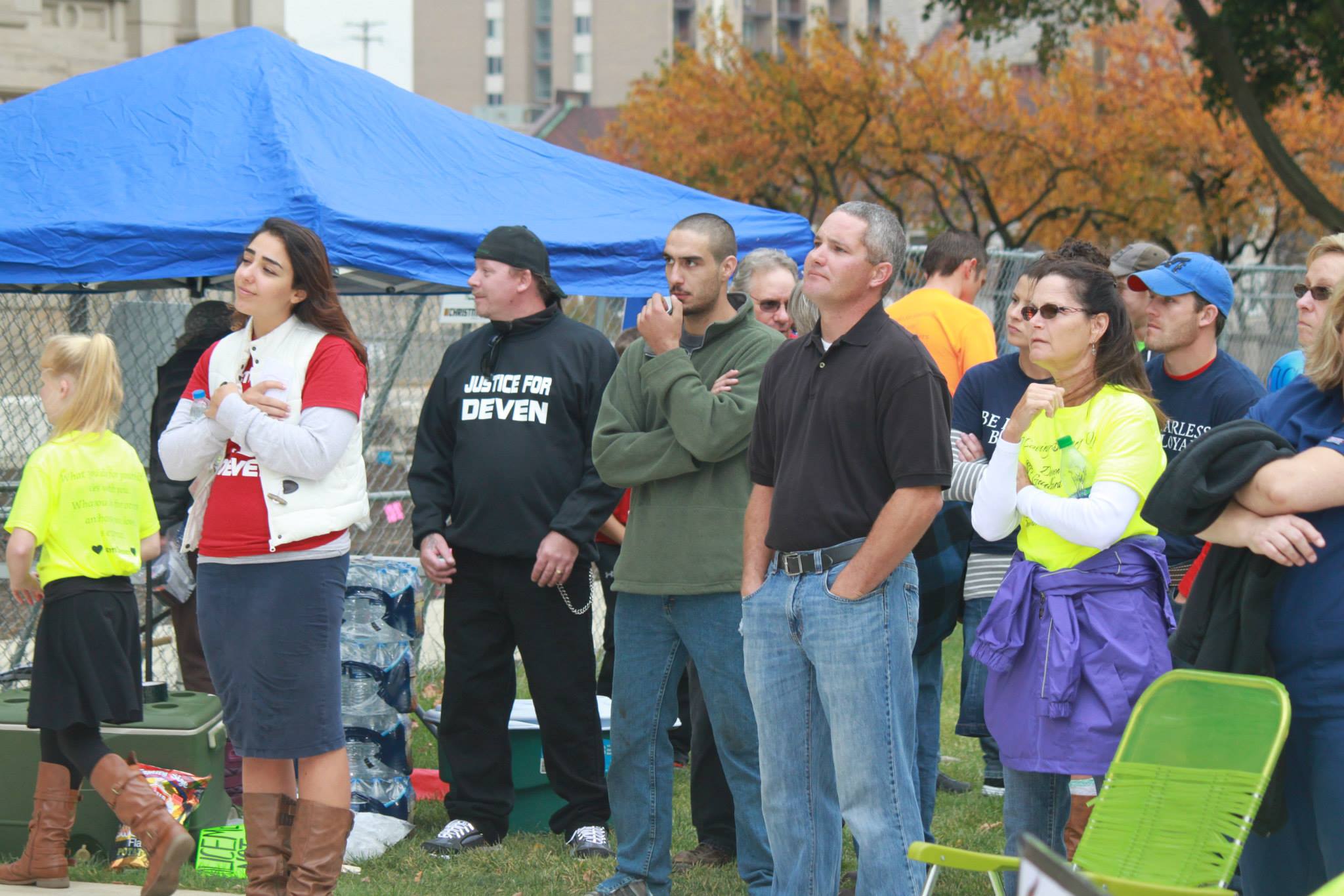
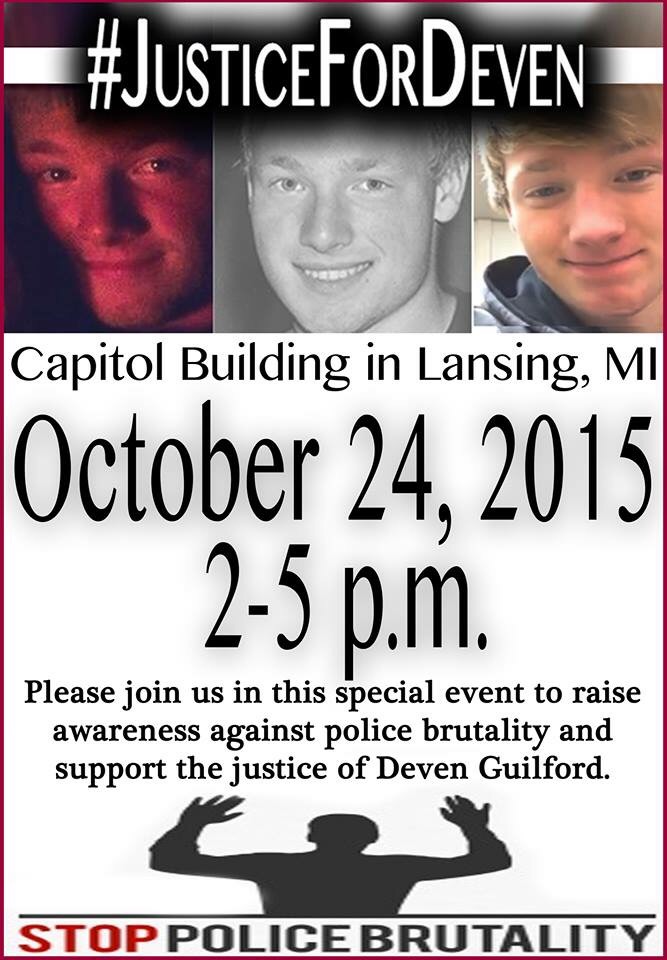
Did you miss the Guilford rally against Police Brutality at the Michigan State Capital Building in Lansing? Watch it now.
Deven Guilford Rally at the capital YouTube video.
Thank you Jim Pitchford for capturing the event on video.
Picture Credit: Julie Foltz Miller







-
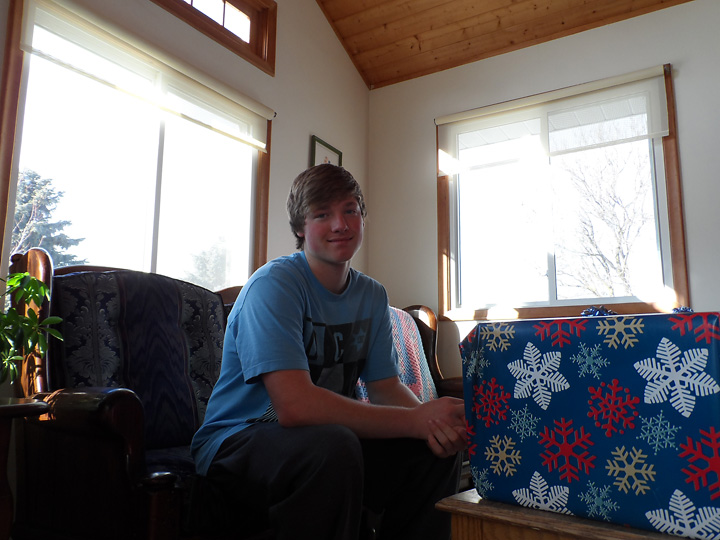
What happened the night Deven was killed – LSJ article
 Matt Mencarini, mmencarini@lsj.com
 LANSING – Five minutes and 40 seconds in February is the amount of time it took for a traffic stop for a minor infraction to end with the fatal shooting of an unarmed teen.
Four months after Eaton County Sheriff’s Sgt. Jonathan Frost was cleared of any criminal wrongdoing in the death of Deven Guilford, the Greater Lansing community remains deeply divided.
Much of the traffic stop was captured by Frost’s body camera and Guilford’s cell phone. But there is no video of the final moments, which included what prosecutors said was a fight on the side of the road that led to Frost shooting Guilford seven times.
The recordings were among the evidence Eaton County Prosecuting Attorney Doug Lloyd reviewed when making his decision not to charge Frost in Guilford’s death. They were also part of the information four policing and legal experts reviewed at the request of the Lansing State Journal before giving their opinions on what happened and how it might have been avoided.

Two of the experts were critical of the reason for the traffic stop, the policy that supports it and Frost’s actions during the incident. The other two said while the traffic stop might have been for a minor reason, it was legal and justified and so were Frost’s actions throughout the incident. One expert questions Frost’s account of the final 14 seconds — which started with Guilford, 17, on the ground on his stomach and ended with him dead.
The experts made comparisons with other recent fatal encounters involving police officers — like the death of Sandra Bland, who was arrested during a traffic stop in Texas after she wouldn’t put her cigarette out and was later found dead in a jail cell, and the death of Lt. Joe Gliniewicz, the suburban Chicago police officer killed with his own gun.
“It’s deeply disturbing, regardless and irrespective of fault, policy breaches or lack of policy breaches,” said Craig Futterman, a former defense attorney and current professor in the University of Chicago’s law school, who in 2000 founded the Civil Rights and Police Accountability Project.
“Any time you have a routine encounter (with) an unarmed kid that escalates to the point of a shooting and killing, it’s tragic.”
In response to a request for comment for this story, the Eaton County Sheriff’s Office sent a lengthy statement, which accompanies this story.
In it, Sheriff Tom Reich said the “incident is now in litigation and will ultimately be reviewed by the U.S. District Court.” He added that he stands by the Michigan State Police investigation, Lloyd’s review and analysis of that investigation and the results of an internal investigation.
“Finally, we are curious about how these individuals were selected given that none of them are from Michigan and, as we understand it, none of them reviewed all of the files and material available to investigators and legal authorities,” he said.
The experts interviewed for this story reviewed the video of the incident, Lloyd’s 19-page report and the Sheriff’s Office report on its internal investigation. They were offered the opportunity to review all the evidence Lloyd released in response to a Freedom of Information Act request by the State Journal.
0:00 – Traffic stop initiated
On the night of Feb. 28, Guilford was driving his girlfriend’s 2010 Ford Focus west on a rural stretch of M-43 between Grand Ledge and Mulliken. Frost, in his fully marked new 2015 Ford Explorer SUV, was traveling east.
At 8:25 p.m., as the vehicles approached each other, Guilford flashed his high beams, thinking Frost had his on.
Frost, who was driving that new patrol vehicle for the first time, then initiated the traffic stop.
He had completed another traffic stop just four minutes earlier. That driver quickly tapped his brakes with Frost behind him, thinking the vehicle was a citizen driving with high beams on, Lloyd wrote in his report.
“Stopping this car for flashing me with their brights,” Frost told dispatch before exiting his patrol vehicle to walk up to Guilford’s car. “I did not have my brights on.”
Frost asked Guilford for his driver’s license, registration and proof of insurance.
“I pulled you over today because you flashed me,” he said. “I didn’t even have my brights on.”
Guilford, whose toxicology results showed he had an active ingredient in marijuana in his system at the time of the stop, responds by saying, “Yes, you did, sir” and adds that he couldn’t see because of Frost’s headlights.
Frost and Guilford argued about three issues for several minutes: whether Frost’s high beams were on, Guilford’s reluctance to turn over his driver’s license and Frost’s refusal to give Guilford his badge number. (At first, Guilford told Frost he didn’t have his driver’s license and then said he did, but didn’t have to give it to the officer. The investigation found it was with his girlfriend.)
3:12
After telling Guilford the stop would have gone differently if he complied and after threatening to arrest Guilford for not providing his driver’s license, Frost explains that his patrol vehicle is new and the headlights are brighter than usual.
Then there’s a moment of brief de-escalation and Guilford apologizes for arguing, but the tone of the traffic stop quickly began to escalate again. The University of Chicago’s Futterman said the traffic stop “was immediately an investigative stop,” meaning Frost started off strong and commanding.

Video from Sgt. Frost’s body camera. Provided
Michael Haddad, a civil rights attorney in California and president of the National Police Accountability Project, said it was hard to believe Frost would make a stop for someone flashing their high beams, especially because he admitted he never planned on giving Guilford a ticket.
“This was a junk traffic stop to start with,” he said. “So the officer shouldn’t be surprised when a citizen of this country is appropriately outraged.”
Frost initiated a traffic stop by taking advantage of Guilford, who was trying to be a “good Samaritan” by flashing his high beams at another vehicle, Haddad said.
Lloyd, in the report he released about why he didn’t charge Frost, cited a section of the state’s Motor Vehicle Code and a Michigan Secretary of State booklet that say it’s illegal to use or flash high beams within 500 feet of another vehicle.
Philip Stinson, a former police officer and current professor in Bowling Green State University’s criminal justice program, said Frost did a good job of explaining what was happening and why he pulled Guilford over.
But, given that Frost had just pulled someone over for the same thing, he said “it makes you wonder why he made the stop.”
Stinson said Frost made a legal stop, did a good job of restraining himself and that he didn’t “see anything that the officer did that was criminal or unjustified.”
Richard Kania, a former police officer and a professor in Jacksonville State University’s Department of Criminal Justice, said the reason for the Guilford stop “disturbed” him a bit, even though it was legal and he made traffic stops for the same reason.

He was taught as an officer not to argue with a driver over a ticket, but to tell them they can let a judge decide. He added that a typical officer would’ve likely let Guilford off with a warning if he had been more compliant.
The driver Frost pulled over minutes earlier, the driver who had tapped their brakes at Frost, was given a warning for having a headlight out.
Kania added that while it might “have been a Mickey Mouse stop” — a stop for something minor — if the person doesn’t want a ticket, they should respect the officer’s authority.
Kania said that it was Guilford’s actions that ultimately caused the end result.
Traffic stops and police-citizen interactions for reasons like flashing brights or having a headlight out aren’t uncommon. Reducing them is among the recommendations made in May by President Barack Obama’s Task Force on 21st Century Policing.
People not fully complying or being disrespectful during these traffic stops is “highly predictable” and happens every day, Futterman said.
“You shouldn’t be arrested because you’re a jerk,” he said. “The crime should not be contempt of police or acting like a jerk to police.”
One view of law enforcement’s role in society is to maximize arrests, he said, adding that in that view, the traffic stop is “pretext.” The police don’t care that you have your high beams on, Futterman said, but it gives them a reason to pull you over, run your information or check for a more serious crime, which creates negative police-citizen interactions.
“That, to me, is fundamentally problematic,” he said. He added that those interactions can be counterproductive because they reduce the public’s trust in law enforcement.
The Michigan Vehicle Code has nine chapters, covering everything from requirements to violations to penalties.
Traffic laws are generally extensive, Futterman said, so an officer who knows them well enough can usually follow a car long enough to find a legal reason to make a stop. He added that doing so involves “issues of police state and profiling.”
If you stop enough people, Futterman said, you find something.
“That’s not really what our Constitution is predicated on,” he said. “We all have a right to be left alone.”
3:57
Nearly four minutes into the traffic stop and after repeatedly asking for Guilford’s driver’s license, Frost calls for priority backup. Guilford makes a phone call, which was later determined to be to his girlfriend, who had his driver’s license.
Frost later told authorities he thought Guilford might have been part of a sovereign nation or militia movement and was calling for help from members. The investigation showed he was not.
Frost opens the car’s door, orders Guilford out and tries to pull him out. Guilford resists. Frost pulls out his stun gun and continues to order Guilford out. Guilford finally complies, but once out of the car continues to record with his cell phone when ordered to the ground.
Guilford eventually got on his stomach on the ground. Before Frost moved behind him, Guilford told him he didn’t have a weapon, which the investigation later confirmed.
Frost later told the Sheriff’s Office that Guilford looked back at him as if he was going to become aggressive, which is why he deployed his stun gun.
“That’s ridiculous,” Haddad said, adding that officers are trained to pick up on aggressive actions. “There’s no such thing as an aggressive look. … From what I can see that’s a totally unjustified use of (a stun gun).”
5:24
The stun gun wasn’t effective because only one of two probes embedded into Guilford, Lloyd said in his report. Guilford was able to get off the ground and charge at Frost.
Moments later, Frost’s body camera becomes dislodged and stops recording. Guilford’s cell phone, which Lloyd said was on the ground, records audio of the rest of the incident, including the seven gunshots, but doesn’t capture anything on video.
Frost told authorities after the incident that Guildford charged at him and was able to get on top of him in a snow-filled ditch on the side of the road. Guilford was hitting Frost in the head and face, Frost said. He added that he was concerned Guilford was reaching for his gun, that he was losing consciousness and that his life was in jeopardy.
Frost pulled his weapon and tried to fire, but the gun jammed, Lloyd said in his report. Frost cleared the round, loaded another and fired seven shots, all of which struck Guilford, with the fatal shot being to the head.
About 14 seconds pass between when Guilford charges at Frost and when Frost fires the final bullet. It’s a time period Haddad has concerns about.
“It doesn’t sound possible or plausible that everything the officer said happened could have happened in 14 seconds,” he said.
Based on the situation and type of handgun, a .40-caliber Glock semiautomatic, Stinson said the number of gunshots wasn’t excessive.
Body camera video from arriving officers at the scene shows Frost with blood on his face, including when he’s being treated by emergency medical technicians. Photographs of Frost at the hospital after the incident, which were released by Lloyd’s office, show a cut on his forehead with dried blood on his face.

Deven Guilford also recorded the police stop on his cell. Provided
5:40
“As these things happen,” Stinson said, “it turned ugly really quickly.”
Stinson said Guilford doesn’t appear to realize that his actions and words are what caused the traffic stop to take the path it did. He added that it was the combination of not providing his driver’s license and resisting that led to Frost initiating an arrest.
“Once the decision is made,” Stinson said, “it’s not negotiable in the street.”
He’s hesitant to second-guess Frost, but said in retrospect maybe Frost could have waited for backup. However, Stinson quickly added that in rural areas, backup can often be several minutes away. The first responding officer arrived to the scene within a minute of the shooting.
Two U.S. Supreme Court cases — Tennessee v. Garner and Graham v. Connor — have set the standard for evaluating law enforcement use of force and use of deadly force.
In Graham in 1989, Chief Justice William Rehnquist, delivering the court’s opinion, wrote that “the ‘reasonableness’ of a particular use of force must be judged from the perspective of a reasonable officer on the scene, rather than with the 20/20 vision of hindsight.”
Frost sustained cuts and bruises to his face and head. There was initially concern that Frost might have sustained fractures, but X-rays were negative and Frost was released from the hospital within a few hours. He suffered a concussion, according to medical records, and later saw an eye doctor for reduced vision, which wasn’t expected to be permanent.
Photos of Frost taken the following day, which were obtained through a Freedom of Information Act request, show the same cut, bruising and swelling around his left eye and a small abrasion to the back of his head.
Frost later said he had been concerned Guildford was reaching for his handgun, something Kania said is a real concern for officers. When he was a police officer, he went to break up a bar fight and someone reached for his gun, he said.
“Maybe all (Guilford) intended to do was knock the officer out and get in his car and leave,” Kania said. “He may have never had a homicidal intent, but he had an aggressive, assaultive approach. The officer has to reasonably assume that if he loses, he’s going to die.”

Sgt. Jonathan Frost was cleared of any wrongdoing and remains on active duty. Provided
Last week, attorneys for Guilford’s family filed a federal civil rights lawsuit against Frost and Eaton County.
“As we take this action today we are outraged at the huge miscarriage of justice done to our son Deven Guilford,” Brian and Becky Guilford said in a statement about the filing.
Hugh Davis, one of the attorneys for the Guilford family, said the reason for the stop was illegal, Frost didn’t have authority to arrest Guilford and that the stun gun use was also unlawful. He added that Michigan law allows citizens to resist illegal or excessive force, which means Guilford had a right to get off the ground and defend himself.
“Deven died because he flashed his lights and questioned the officer,” Davis said.
Davis added that they haven’t reached a conclusion on the final 14 seconds or so of the incident, but don’t believe Frost’s version of how he got the wound on his forehead.
It’s too early to predict the lawsuit’s outcome, Haddad said, but it could come down to whether a jury, if it gets to that point, believes Frost’s account of those 14 seconds before he fired his weapon.
Frost declined to be interviewed by the Michigan State Police during the agency’s investigation, instead opting to submit a written statement, which isn’t unusual. He was interviewed by the Sheriff’s Office during its internal investigation.
Frost’s statements, based on what’s been released and obtained through a Freedom of Information Act request, have been consistent: He thought Guilford might have been a member of a sovereign nation or militia movement. He wasn’t sure who Guilford was calling. He was starting to lose consciousness and feared for his life.
“There’s only one person that can know what’s in that person’s mind,” Kania said. “And that’s that person. And you either believe him or you don’t.”
About the experts
- Craig Futterman is a professor at the University of Chicago’s law school. He worked as a trial attorney in the Juvenile Division of the Cook County Public Defender’s Office for several years before leaving for a law firm concentrating on complex federal litigation. At that law firm he specialized in civil rights lawsuits, focusing on matters involving police brutality and racial discrimination.
- Michael Haddad is a defense attorney based in Oakland, California, who specializes in civil rights law. He’s the current president of the National Police Accountability Project, which is a nonprofit organization that describes itself as “dedicated to ending police abuse of authority through coordinated legal action (and) public education.” He’s admitted to the Michigan and California bar associations and graduated from the University of Michigan’s law school.
- Philip Stinson is a former police officer and currently an associate professor in the Criminal Justice Program at Bowling Green State University. His research focuses on police crime, police integrity, quantitative content analyses and special education needs in the juvenile delinquency system, among others. He also worked as a court-appointed defense attorney in Philadelphia, Pennsylvania, and in private practice.
- Richard Kania is a former police officer and currently a professor in the criminal justice program at Jacksonville State University. He’s a twice been a senior Fulbright professor, traveling overseas to teach at universities, and held professor positions at other American universities, including the University of Louisville and the University of North Carolina at Charlotte.
About the story
The Lansing State Journal began reaching out to policing experts on Aug. 31, with emails that briefly described the incident, included a link to previous coverage and asked if they’d be willing to review portions of the evidence and be interviewed. The four experts in this story were the only ones of the 20 contacted who agreed. They were interviewed within days of agreeing and reviewing the materials.
They weren’t paid for their time and the State Journal told them additional evidence would be made available if they wanted, which none of them requested.
The State Journal contacted experts outside the state in an effort to find sources who hadn’t already seen coverage of the incident — who could have already formed an opinion — and sources who could give an unbiased opinion, either way, about how they viewed the incident.
Statement from the Eaton County Sheriff’s Office:
While we appreciate the request to respond, this incident is now in litigation and will ultimately be reviewed by the U.S. District Court. With that said, we stand by the findings of the independent investigation conducted by the Michigan State Police, the thorough legal review, analysis and decision by Eaton County Prosecutor Doug Lloyd, and our own internal review of policies and procedures. To reiterate, all three determined:
- Sgt. Frost had the legal authority to conduct the traffic stop for the violation of MCL 257.700(b) which he had observed. He also referenced the Michigan Secretary of State’s “What Every Driver Must Know” booklet, noting that it contains the following information: “It is illegal to use or even flash high-beam headlights within 500 feet of an oncoming vehicle.”
- MCL 257.700(b) states that all drivers approaching an oncoming vehicle within 500 feet must use “a distribution of light or composite beam so aimed that the glaring rays are not projected into the eyes of the oncoming driver.” This is an important public safety law. Sgt. Frost correctly and reasonably believed that ‘flashing’ high beams toward an oncoming driver (as Mr. Guilford admitted doing) projected glaring light at him. Indeed, it happened unexpectedly, which is an even greater public safety risk which could not be avoided as recommended in the same SOS booklet.
- Sgt. Frost had the legal authority to require Mr. Guilford to produce his driver’s license upon being stopped per MCL 3.11 and that his failure to do so, even if he was disputing the reason for the traffic stop, was a 90-day misdemeanor offense. Contrary to the claim that Sgt. Frost quickly escalated the situation, Sgt. Frost actually requested that Mr. Guilford produce his driver’s license a total of eight times prior to initiating an arrest for his failure to comply with his lawful orders. Mr. Guilford initially said that he did not have his license. After the last request, Mr. Guilford said that he had the license but that Sgt. Frost “did not have the right to see it.”
- When Sgt. Frost attempted to arrest Mr. Guilford, Mr. Guilford verbally and physically resisted Sgt. Frost’s lawful arrest in violation of MCL 750.81d (Resisting and Obstructing a Police Officer), which is a felony.
- Mr. Guilford’s continued physical resistance to the arrest resulted first in the use of a non-lethal option, a Taser, which failed to stop the unlawful resistance. Prosecutor Lloyd stated that Sgt. Frost’s use of the Taser was “measured and lawful under the circumstances.”
- Mr. Guilford then violently assaulted Sgt. Frost by striking him in the head, then pinning him on the ground while continuing to strike him in the face and head. As a result of these repeated blows to his head by Mr. Guilford, Sgt. Frost believed he was going to lose consciousness, thus becoming defenseless against any continued attack, including Mr. Guilford taking his firearm.
Prosecutor Lloyd determined in his review that Sgt. Frost honestly and reasonably believed that Guilford posed a serious threat of great bodily harm or death. He determined that based on a review of the facts and the law, Mr. Guilford’s actions placed Sgt. Frost in imminent danger of death or great bodily harm. Further, Sgt. Frost acted in a lawful manner, and was reasonable in using deadly force against the physical attack of him by Mr. Guilford – as any other citizen would have a legal right to do to defend themselves from immediate threats of serious injury or death. An internal review found that Sgt. Frost’s use of force was authorized by Eaton County Sheriff’s Office (ECSO) General Orders which allow Deputies to use deadly force to protect themselves or another person from an immediate threat of death or serious personal injury. Sgt. Frost’s lawful actions were also in compliance with ECSO regulations, general orders and training.
Finally, we are curious about how these individuals were selected given that none of them are from Michigan and, as we understand it, none of them reviewed all of the files and material available to investigators and legal authorities.
Sheriff Tom Reich
Eaton County Sheriff’s Office
-

The Guilford Family Speaks Out – LSJ article
The Guilford Family Speaks Out –
 Rachel Greco, Lansing State Journal
 MULLIKEN – Brian Guilford’s fondest memory of his son Deven is the very last one he has.
On the morning of Feb. 28, the 17-year-old was in bed, still asleep. Brian’s grandson had a basketball game that day, and Deven, who often went to watch, had planned to go.
It was time to get up. Deven wasn’t a morning person but Brian had experience cajoling him awake. He teased and prodded, pulled the covers off Deven and joked until he saw a smile.
“We ended it laughing, and I walked out of his room,” Brian said.
They would never speak again.
Deven died on the side of M-43 in Roxand Township that night, about 8:25 p.m., on his way to his girlfriend’s house after a basketball game at his church in Grand Ledge. He was stopped for flashing his high beams at Eaton County Sheriff’s Sgt. Jonathan Frost. Less than six minutes later, Deven, who was unarmed, was dead, shot seven times by Frost.
In the eight months since, Deven’s death has become the subject of fierce debate across the region.
In June Eaton County Prosecutor Doug Lloyd cleared Frost of any criminal wrongdoing, saying his actions were lawful.
And a week ago his family filed a federal civil lawsuit against Eaton County and Frost. It alleges that Frost’s “entire course of action was illegal and in violation of Deven’s constitutional rights.”
The Guilford family consented to an interview with the Lansing State Journal earlier this week, with the understanding they would not discuss the evening of the incident.
The deeply personal tragedy has become a call to action for the family.
“We want to try and do everything we can to see that this doesn’t happen to some other family,” Brian said, “that some other family does not go through the same exact thing we are, and we will do all we can to help that come about.”
‘A kind kid’
With the exception of the last few tragic seconds, during which prosecutors said Deven attacked Frost and Frost shot and killed him, most of the exchange between Deven and Frost on the night of his death was captured on video — from Frost’s body camera and from Deven’s cell phone, which the teen used to record the encounter.
It’s the only impression most people have of the Mulliken teen.
Ten months ago, Brian said, he may have made some of the same assumptions that some people have made about his son.
“They think any kid that gets shot like that is a mouthy, bratty kid who had no regard for authority, and I’m telling you that isn’t who he was,” Brian said.
The Guilfords said Deven was the most vibrant personality in the family, a bright, active and kind teenager — the last person they ever imagined would die in a police shooting.
Deven had no criminal record. Before the fatal traffic stop, he’d never had contact with law enforcement, they said.
“I’ve always envisioned a child, anyone who’s shot by a cop, their life just on a downward spiral, you know, and then the cops are the end of it,” Brian said. “Deven’s life was the other way.”
Brian and Becky Guilford have an established life in the community. They grew up in Grand Ledge and Mulliken. They run their own construction business out of their home and have attended Liberty Church in Grand Ledge for nearly two decades as a family.
Deven was the youngest of three boys. His older brothers, Aaron, 29, and Ryan, 35, remember just as clearly as their parents the day he joined the family.
The couple had wanted another child, but endured several miscarriages before deciding to become foster parents hoping for an adoption.
The day 18-month-old Deven arrived at their house, “the lady pulled in the driveway, and he hit the ground,” Becky said. “He never looked back. He was ours.”
Deven was a seamless addition to the family.
“I don’t remember there being a transition,” Aaron said. “I really don’t. The rule of the adoption was that he had to sleep in the crib for safety reasons.”
So, Aaron said, he spent many evenings sitting just outside it, keeping his new brother company. “We spent a lot of time together.”
Deven’s adoption became official when he was 4.
By then he had already become an undeniable “bright light” in the family. His parents and siblings say he was happy, outgoing and unfailingly kind.
“He’s always liked to have fun,” Brian said. “He really did, and that’s something he brought to our family, fun. It was easy for him to hug and love. We struggled in some of those areas, but, Deven, he was the one to say, ‘Hey, I love you.’”
“When he was around it’s just how it was,” Aaron said. “It was joyful. It was happy. If I was upset or something he could sense it. He’d try to get a little goofy and get me on the other end of it.”
Deven enjoyed camping with the family in the summer, playing with his four nieces and nephews and riding his bike. His family said his teachers liked him and he had a close group of friends who spent a great deal of time at the family’s home.
“Kids in school, he didn’t pick on people,” Brian said. “He befriended people easily.”
“He was a very kind kid,” said Becky. “It seemed like he always looked out for the underdog.”
Becky said Deven had a promising future. He was working hard in school and talked about studying to become a welder or stock broker.
“The years 14 to 18, for a parent, can be very difficult, and he just made it easy,” Brian said.
‘You can’t put it into words’
Then he was gone.
“It’s like, ‘How in the world could this happen?’ Brian said.
There were no answers in the days and weeks that followed the February shooting. The news of Deven’s death was everywhere.
The Guilford’s were shocked, numb.
“You can’t put it into words,” Brian said. “You just can’t. It’s impossible to describe how you feel.”
“It’s like a fog,” Ryan said, of the immediate aftermath. “You’re in a daze. You’re trying to figure out what happened.”
The congregation at Liberty Church helped them cope.
Maryam, Aaron’s wife, said the congregation surrounded them, offering love and shelter from the public storm swirling around them.
“Every morning you woke up and life sucked, but then I’d go to Becky and Brian’s and another blessing came,” she said. “Another person called or someone dropped off another tray of lasagna. It was just so comforting knowing that there were people out there who were praying for you, who loved you and who loved your family and who loved Deven, people we didn’t even know.”
But the fog, the heavy cloud of grief, made time move at a snail’s pace for the family.
Hundreds of people attended Deven’s funeral at Liberty Church a week after his death.
“The church was overflowing with people,” Becky said. “More people than have ever been there.”
Brian didn’t say goodbye to his son that day. He waited until this past summer when the family turned a camping trip to Frankfort Beach into a heartfelt memorial by the water. About 50 family and friends gathered on the shore and released paper lanterns into the air.
“We made it a celebration for him,” Brian said.
The solemn send-off was joyful, but it brought with it a finality that was hard to swallow, Brian said.
“When we got done with that and I left that was probably the most horrendous time for me,” he said. “I just felt like we were leaving Deven behind. It’s amazing how long shock, I guess, can last, or disbelief. I don’t know how it all works, but it was so real to me that we’d never see him again after that. Those are just things I know you have to go through. There’s no way around it.”
‘It’s just too hard’
The Michigan State Police investigated the shooting. Lloyd released the findings and his report. Eaton County Sheriff Tom Reich released a statement late last week, after the lawsuit was filed, calling the shooting “a tragedy for everyone involved” but standing firm on his support of Lloyd’s decision and the results of an internal investigation that also cleared Frost.
The family has done what they can to isolate themselves from the public debate surrounding the decision and Deven’s death.
They admit to boycotting TV until very recently and limiting their use of social media.
Ryan said he still doesn’t watch or read any of the news coverage. “I can’t,” he said. “I can’t read any of the stuff on Facebook either. It’s just too hard.”

What they do hear they ignore as best they can.
“I think we’re pretty solid in who he was,” Brian said. “People that don’t know him, when they say stuff, it doesn’t really bother me. If it was coming from someone he knew, yeah, it would bother you but you can’t stop people from forming opinions about something they know nothing about. It isn’t something that eats at me.”
Brian said the Mulliken community has rallied around the family. Signs in yards and store windows can be found throughout the community.
“Justice for Deven,” and “Deven said ‘I don’t have a weapon’,” they read. While Deven’s immediate family isn’t directly involved, a “Justice for Deven Guilford” Facebook page has 3,500 followers.
Brian said the support they’ve seen has been respectful and non-violent. A vigil held at Island Park in Grand Ledge on March 22, what would have been Deven’s 18th birthday, consisted of candles, speeches and music.
Other supporters have used “Random Acts of Kindness” cards to advocate for the Guilford family, passing them out whenever they perform a kind act.
The movement has been largely peaceful and for that the Guilford’s are grateful. It speaks to how Deven lived his life, said his family.
“I really believe that if he would have been a belligerent in-your-face type you would have had belligerent in-your-face-type people at the events,” Brian said.
‘Everything is different’
Eight months have passed since Deven’s death, but, for his family, the loss is as fresh as it ever was.
“It’s like a big, brown blob, from Feb. 28 to now,” Brian said. “Almost like yesterday is the same as today. I still, at times, wonder, ‘Is this real?’ You still sometimes can’t comprehend it. I’ll think, ‘Am I going to wake up?’”
The loss has changed the Guilfords.
“We’ve always been a very conservative family, and we’ve always been a very, very pro law enforcement family,” Brian said. “That’s just who we were, and this has shaken me to the core. That’s all I can say, and it’s totally changed my views on how law enforcement acts.”
It’s also left a gaping hole.
No more teenagers laughing in the living room, playing football in the yard or snacking in the kitchen. Deven’s room sits empty, untouched, just as he left it.
“Life goes on but everything is different,” Aaron said.
Brian said the federal lawsuit he’s filed is important, but seeing it through will be hard for all of them.
‘A very, very good kid was taken way too early,” said Brian. “I can’t even say how it’s changed us yet.”
Contact Rachel Greco at (517) 528-2075 or rgreco@lsj.com. Follow her on Twitter @GrecoatLSJ.
-
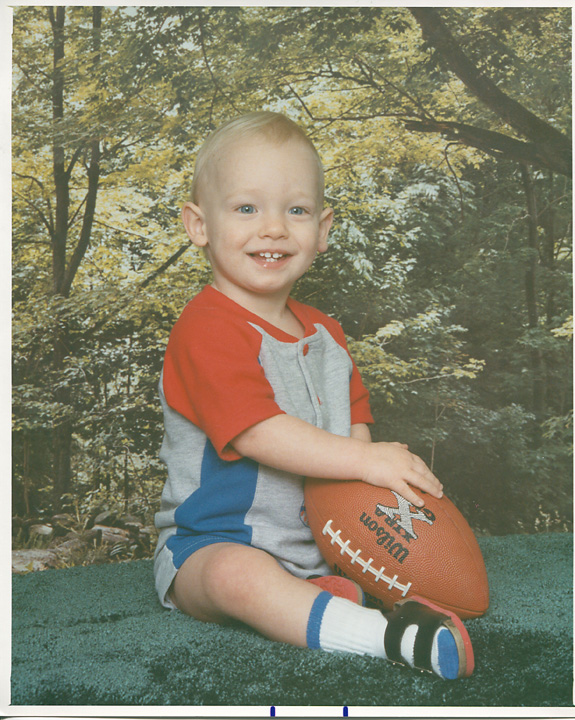
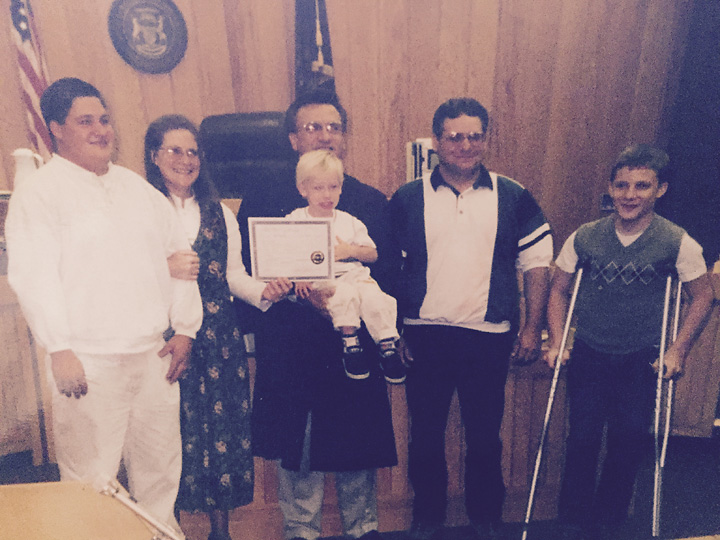
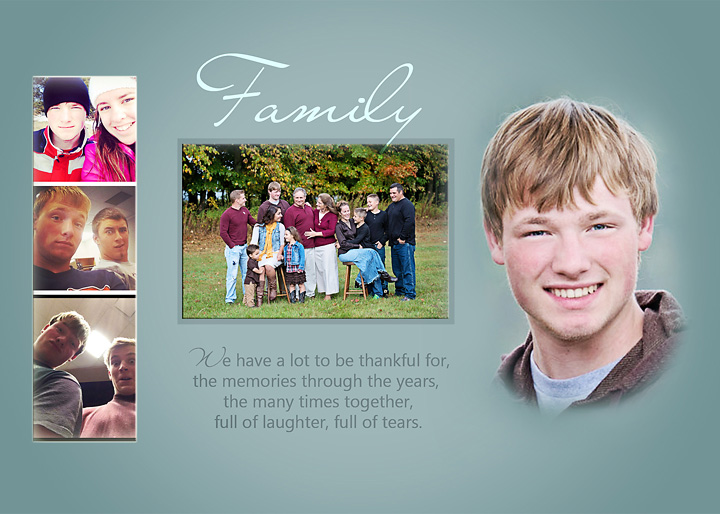
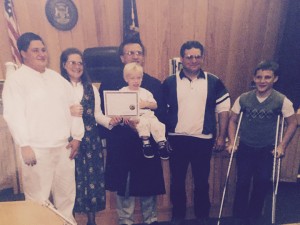
A look through Devens life
Deven was adopted by the Guilford family at a young age. He brought joy and laughter to
their lives.
-
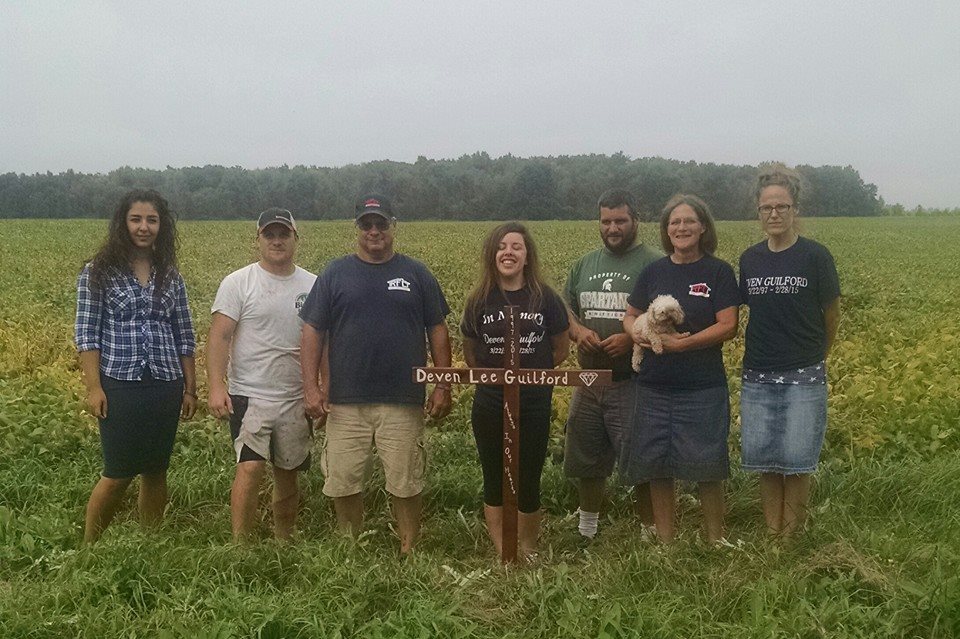
A roadside memorial
 Take a moment of silence as you pass the memorial cross placed in Devens honor at the scene of his death on M-43.
-
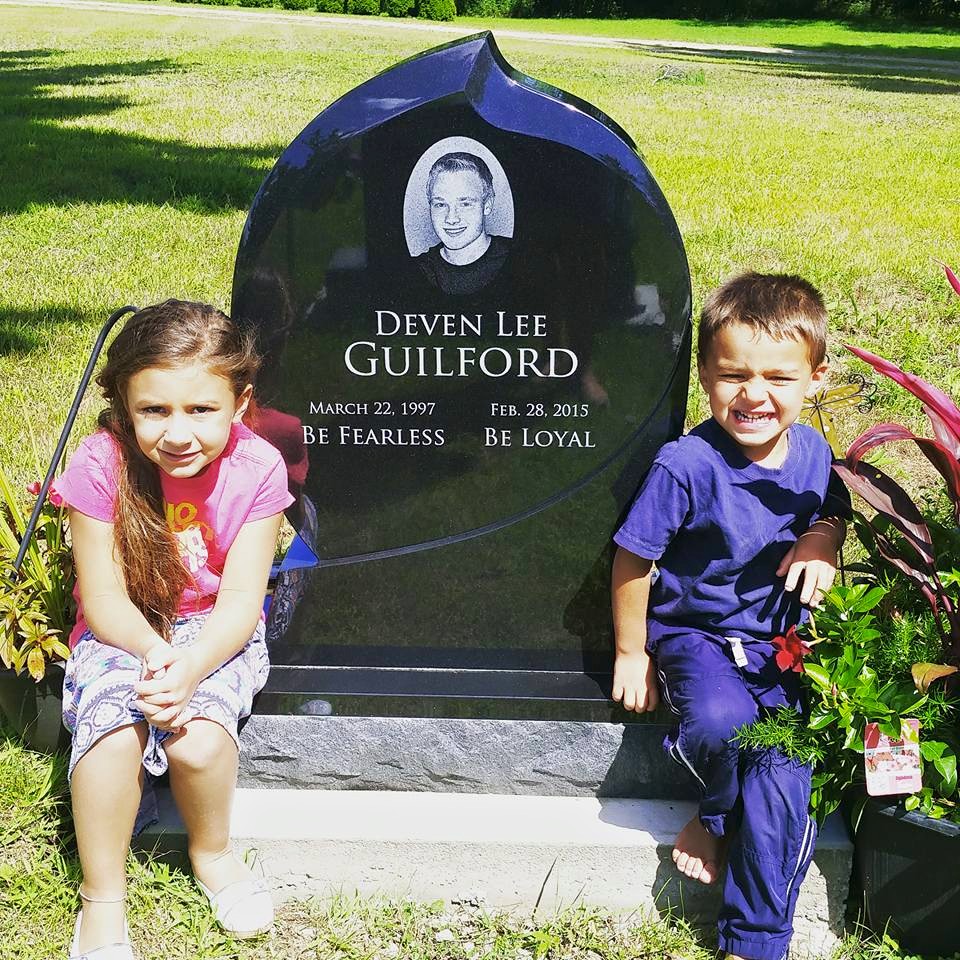
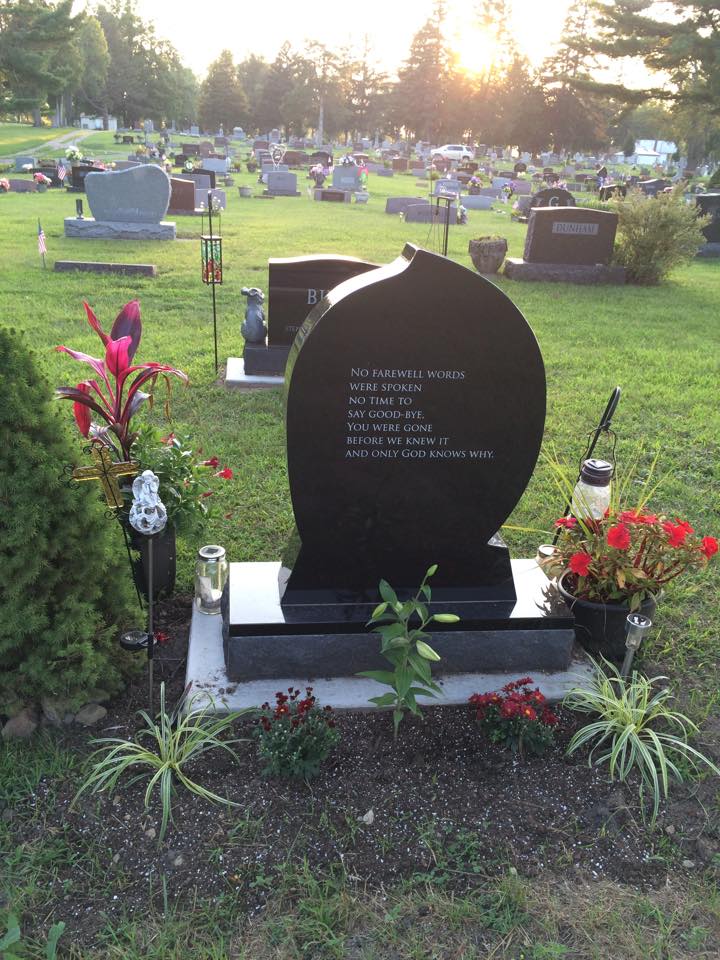
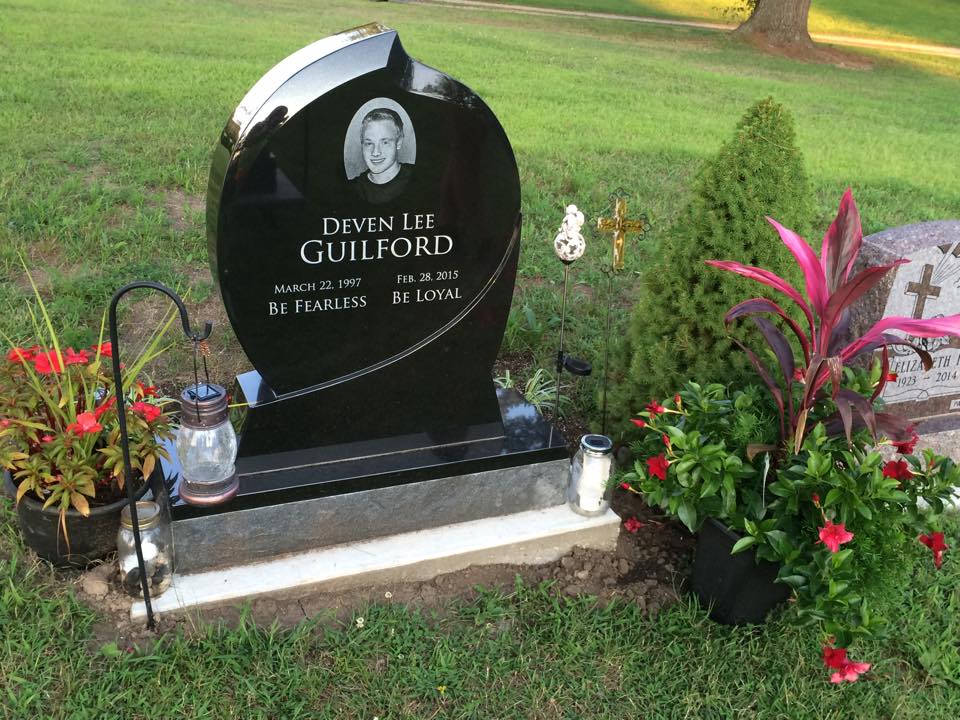
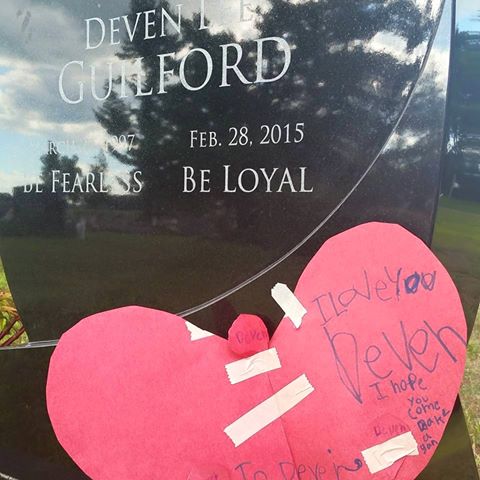
A life lost to soon
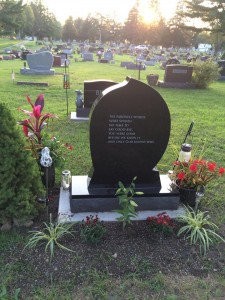 Deven’s headstone is beautiful. If you have a moment,
stop by, read the inscription and say a prayer for his family.